

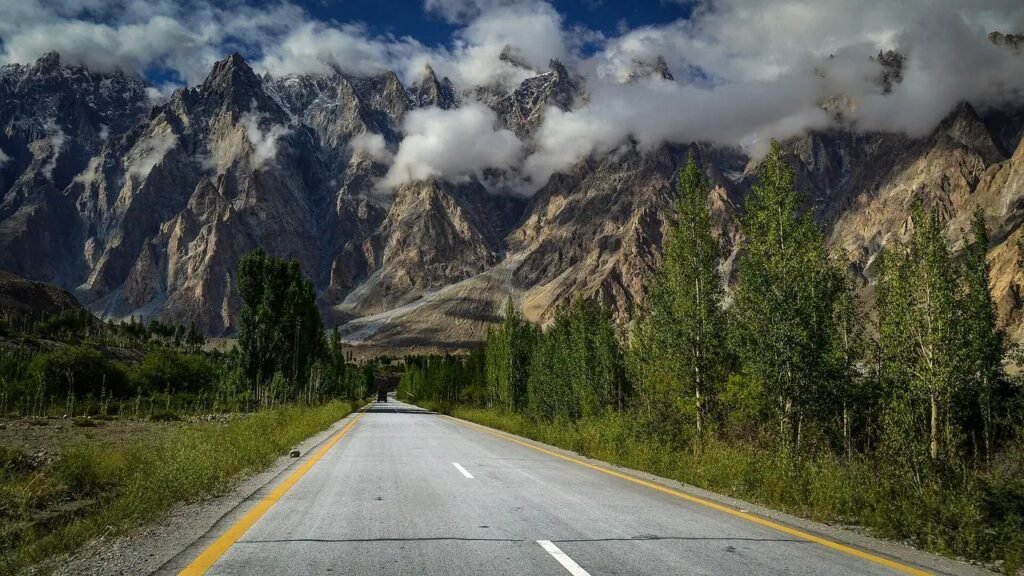
Gilgit-Baltistan is the mountain region in the north of Pakistan, and it holds some of the country’s best-known valleys: Skardu, Hunza, Gilgit, Astore, Fairy Meadows, Deosai and Minimarg. This guide explains where Gilgit-Baltistan is, how to visit it, the best time to go, where to stay and what to see — using only the tours and places The Tourism Club actually runs.
Gilgit-Baltistan is the mountain region in the north of Pakistan — Skardu, Hunza, Gilgit, Astore, Fairy Meadows, Deosai and Minimarg. The best time to visit is May to September, when the valleys are green and the high roads are open. There is no Gilgit-Baltistan tour on its own: you visit it on the Skardu, Hunza and Astore tours, which depart Lahore & Islamabad, or by flying to Skardu. Customize a private trip or contact us for prices for a trip built around Gilgit-Baltistan.
This guide is a short overview of a big region. Start with the pages below, then read on for where it is, how to visit, the best time to go and where to stay.
- Northern Areas of Pakistan — the full guide to the north
- Skardu — lakes, desert and Deosai
- Hunza — forts, lakes and Khunjerab Pass
- Astore — Minimarg, Rama and Deosai
Where is Gilgit-Baltistan?
Gilgit-Baltistan sits in the mountain north of Pakistan. It is the region behind the Northern Areas name: the valleys of Skardu, Hunza, Gilgit and Astore, plus Fairy Meadows, the Deosai Plains and Minimarg. It is not one valley or one town — it is a whole region of valleys, lakes and high passes, and that is why most travellers see it on a tour that covers one or two valleys at a time rather than trying to see all of it in a single trip.
The three valleys travellers visit most are Skardu, Hunza and Astore. Skardu is the valley of lakes and desert, Hunza is the valley of forts and lakes, and Astore is the quietest and most remote of the three. Gilgit itself is one of the places the region is named for, and Fairy Meadows and Minimarg are the high meadows and lakes beyond the main valleys.
The north is split into two parts: Gilgit-Baltistan and Azad Kashmir. This guide is only about Gilgit-Baltistan. Azad Kashmir is a different region, with its own places — Neelum Valley, Arang Kel, Ratti Gali and Taobat — and its own tours. If you want the Kashmir side, start with the Northern Areas guide and follow its Azad Kashmir section.
How to visit Gilgit-Baltistan
There is no Gilgit-Baltistan tour product on its own, and no single Gilgit-Baltistan price. You visit the region on the tours that cover its valleys: the Skardu tours, the Hunza tour and the Astore tour. All of them depart Lahore & Islamabad, and the by-road tours run in groups of up to 22 travellers.
By road, Skardu takes 6 days, Hunza takes 5 days, Astore takes 6 days, and Skardu and Hunza together take 8 days. By air, Skardu is the one destination you can fly to: the 5 Days Skardu By Air tour flies Lahore to Skardu and back, with return flights included, from Rs 125,000 per person.
If you want a trip built around Gilgit-Baltistan itself — your own dates and your own route — customize a private trip or contact us for prices. Tell us your dates, your city and how many people are travelling, and we will price a trip that covers the valleys you want to see.
What to see in Gilgit-Baltistan
The region is too big for one list, so start with the three valleys below. Each has its own page with the full places list and the tours that cover it.
Skardu
Skardu is the valley of lakes: Shangrila Resort and Lower Kachura Lake, Upper Kachura Lake, Manthokha Waterfall, and Shigar Valley with Shigar Fort, Amburiq Mosque, Blind Lake and the Sarfaranga Cold Desert. In summer the tour crosses the Deosai Plains, or Basho Valley when Deosai is closed, and the by-air tour adds the Soq Valley. The 8-day tour continues from Skardu to Hunza.
Hunza
Hunza is the valley of forts and lakes: Karimabad, the main town and the base for the valley, Baltit Fort and Altit Fort, the turquoise Attabad Lake, the Passu Cones and Gojal Valley, the Hussaini Bridge, and Khunjerab Pass at 4,693 m on the Pakistan–China border. The 5-day tour also visits the Naltar Valley lakes — Blue, Satrangi and Pari.
Astore
Astore is the quietest and most remote of the three valleys: Minimarg and Domel, with Rainbow Lake and Crystal Lake, Rama Lake and Rama Meadows, the Nanga Parbat Base Camp at Thrishing, and the Deosai Plains with Sheosar Lake and the Bara Pani River. The journey itself crosses Lulusar Lake, Chilas and Babusar Top.
Fairy Meadows, Gilgit town and Minimarg are also part of Gilgit-Baltistan. The Northern Areas guide lists them with the rest of the region, and the valley pages above have the full detail for the three valleys most travellers visit.
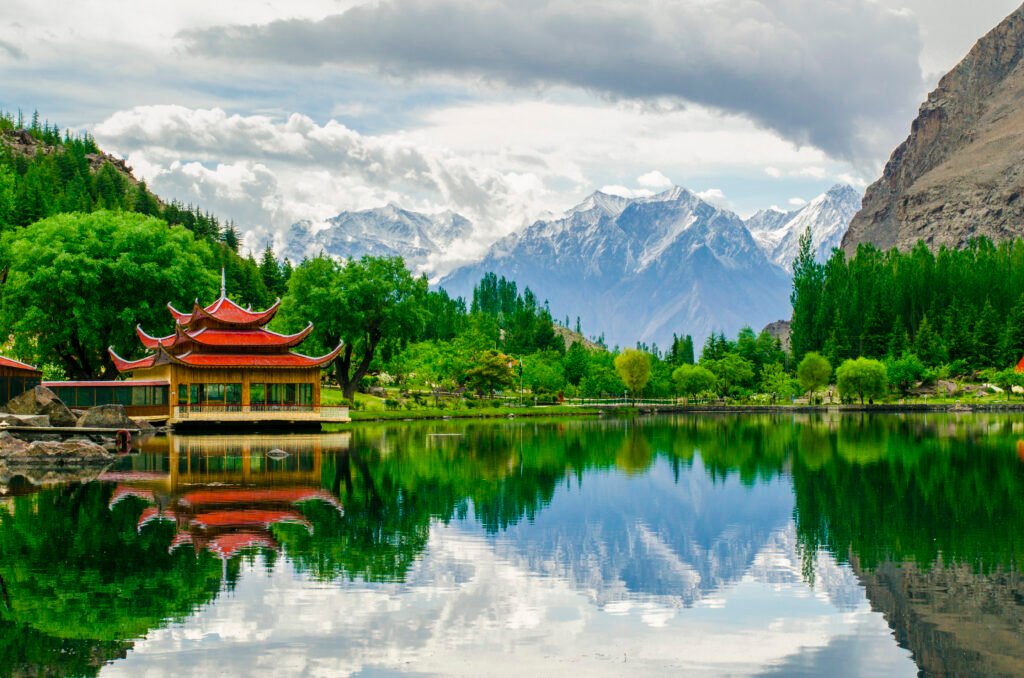
Best time to visit Gilgit-Baltistan
The best time to visit Gilgit-Baltistan is May to September, the peak summer season, when the valleys are at their greenest and the high roads are open. Skardu is at its best from May to September, Hunza from April to October with the peak in May to September, and Astore from June to September, when the road across the Deosai Plains is open.
April brings cherry blossom in Hunza and Skardu, and October brings autumn colour in Hunza. The tours run best from April to October, when Babusar Top and Khunjerab Pass are open.
See what to pack for Skardu and Hunza, season by season.
Where to stay in Gilgit-Baltistan
Hotel stays are included in the Skardu, Hunza and Astore tours, so you do not book stays separately on a group tour. In Hunza, you base yourself in Karimabad, the valley’s main town. The Skardu by Air tour also includes hotel accommodation. For a private or customized trip, ask us when you customize — we will confirm where you stay on your dates.
How many days do you need in Gilgit-Baltistan?
Allow 5 to 6 days for Skardu or Hunza on its own, and 8 days if you want to see Skardu and Hunza together. Astore takes 6 days. The tours that cover the region are:
- 6 Days Skardu — Rs 31,500 per person, Rs 66,500 per couple
- 5 Days Skardu By Air — Rs 125,000 per person, flights included
- 5 Days Hunza Valley — Rs 27,500 per person, Rs 65,000 per couple
- 8 Days Skardu & Hunza — Rs 40,000 per person, Rs 85,000 per couple
- 6 Days Astore — Rs 48,000 per person, Rs 95,000 per couple
If you have more than eight days, add Astore after Skardu and Hunza: the 6-day Astore tour covers Minimarg, Rama, Thrishing and Deosai. If you only have five days, pick one valley — Hunza for forts and lakes, or Skardu for lakes and desert — rather than rushing two. The 8-day Skardu and Hunza tour is the one trip that covers two valleys properly, and it is the trip to pick if you want both.
Frequently Asked Questions
Where is Gilgit-Baltistan?
Gilgit-Baltistan is the mountain region in the north of Pakistan. It holds Skardu, Hunza, Gilgit, Astore, Fairy Meadows, Deosai and Minimarg.
How do I visit Gilgit-Baltistan?
You visit Gilgit-Baltistan on the tours that cover its valleys: the Skardu tours, the Hunza tour and the Astore tour, all departing Lahore & Islamabad, with the by-road tours in groups of up to 22 travellers. Or fly Lahore to Skardu on the 5 Days Skardu By Air tour. There is no Gilgit-Baltistan tour on its own — for a trip built around the region, customize a private trip or contact us for prices.
What is the best time to visit Gilgit-Baltistan?
The best time to visit Gilgit-Baltistan is May to September, the peak summer season, when the valleys are at their greenest and the high roads are open. April brings cherry blossom in Hunza and Skardu, and October brings autumn colour in Hunza. The tours run best from April to October, when Babusar Top and Khunjerab Pass are open.
Where do you stay in Gilgit-Baltistan?
Hotel stays are included in the Skardu, Hunza and Astore tours, so you do not book stays separately on a group tour. In Hunza, you base yourself in Karimabad, the valley’s main town, and the Skardu by Air tour also includes hotel accommodation.
How many days do you need for Gilgit-Baltistan?
Allow 5 to 6 days for Skardu or Hunza on its own, and 8 days if you want to see Skardu and Hunza together. Astore takes 6 days.
Gilgit-Baltistan is a region, not a single trip — pick one valley for a first visit, or give it eight days and see Skardu and Hunza together. Tell us your dates and group size and we will turn it into a day-by-day plan.